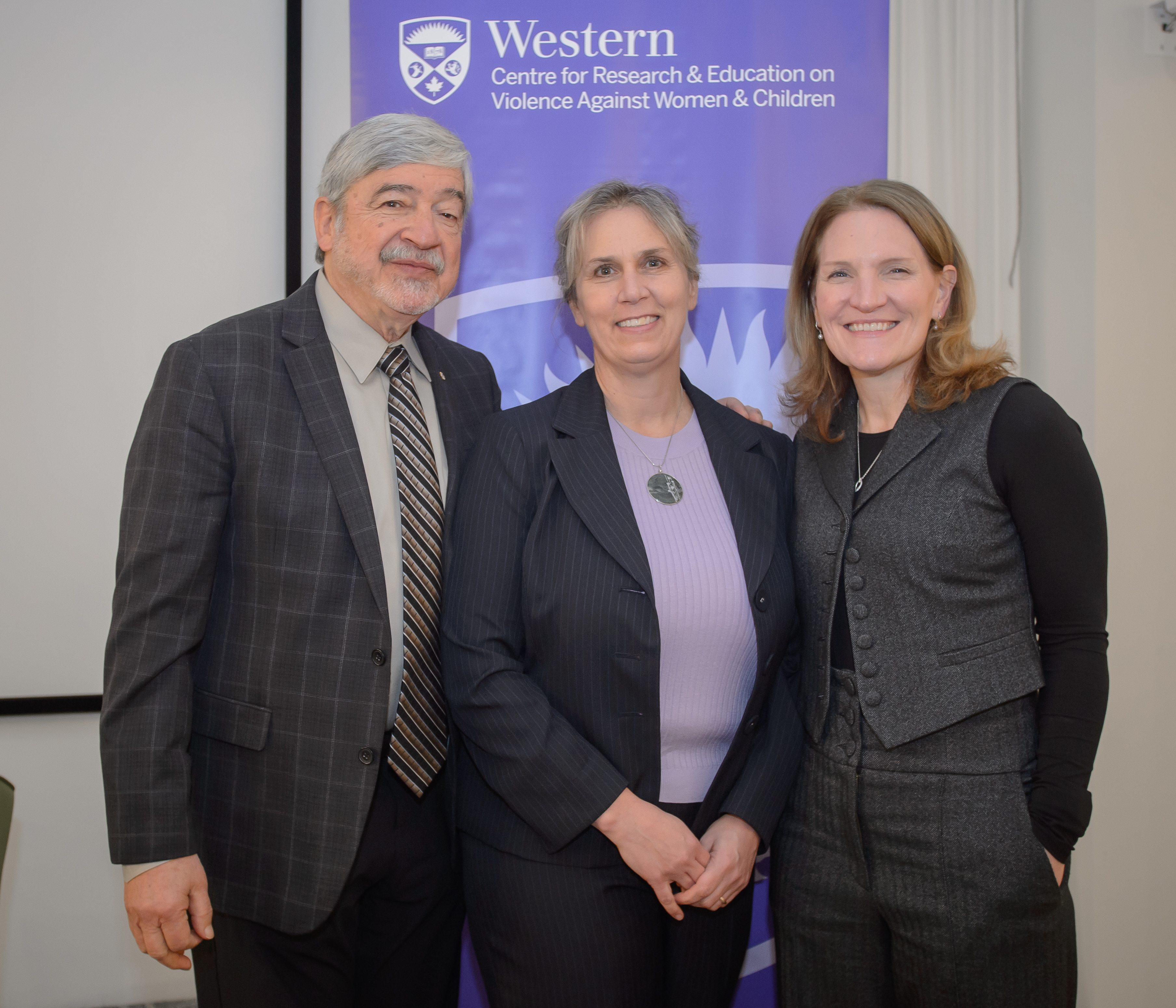
Professor Cynthia Miller-Idriss, director of the Polarization and Extremism Research and Innovation Lab (PERIL) at American University.

Professor Cynthia Miller-Idriss, director of the Polarization and Extremism Research and Innovation Lab (PERIL) at American University.
There’s a common theme that underlies the growing number of cases of violent extremism globally – misogyny and gender-based bigotry.
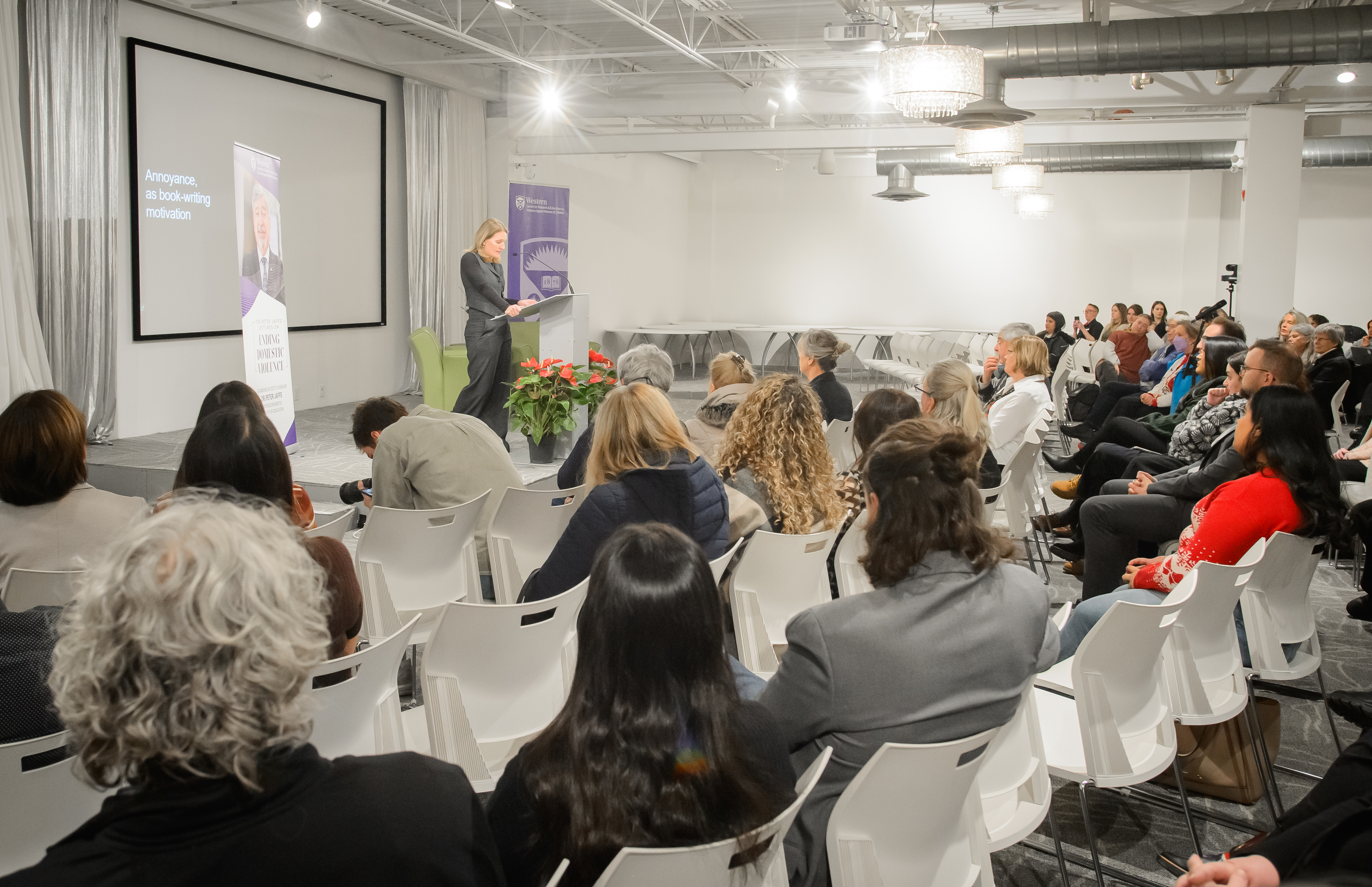
That was the message from Cynthia Miller-Idriss, PhD, keynote speaker at the 2025 Peter Jaffe Lecture on Ending Domestic Violence. Miller-Idriss is the founding director of the Polarization and Extremism Research and Innovation Lab (PERIL) and a professor at American University.
According to Miller-Idriss, “in the US since 1949, 60 per cent of mass violent attackers have a documented history of criminal domestic and intimate partner violence.” This pipeline, she explained, is often fueled by factors including the normalization of misogyny in media, online involuntarily celibate (incel) groups, and male ‘self-help’ influencers like Andrew Tate.
Miller-Idriss offered these and other insights on how male supremacist values radicalize violent attackers from her book, MAN UP: The New Misogyny and the Rise of Violent Extremism, at the annual lecture held in November 2025 at Goodwill Industries in London.
“There has been a false separation…in national security and violence prevention, and the interpersonal violence side of the field, which is the intimate partner, domestic violence side of things,” said Miller-Idriss on her impetus for writing MAN UP.
“People on the intimate partner and domestic violence side of things have been raising the alarm for a long time about the histories of perpetrators…but the people on my side of the field have not been listening.”
Miller-Idriss cited many global examples of mass violent attacks with connections to gender-based violence before explaining various ways that misogyny mobilizes violent extremism, including containment, punishment, exploitation, and erasure of women.
She positioned why boys and men become vulnerable to misogynistic ideologies, explaining how online ‘wellness’ communities prey on male loneliness and mental health issues, ultimately influencing them with “anti-rights, anti-feminist ideologies, and scapegoating of girls and women.”
Validating this trend, Miller-Idriss shared the troubling fact that Gen Z men say they are less likely to express support for feminist values or women’s rights. She added that three pathways – online gaming chats, memes and short form video, and ‘self help’ influencers – can lead young men to intimate partner violence and mass violence.
“The ‘self-help’ search is the part I worry about the most and where we’re seeing the biggest effect,” Miller-Idriss explained adding that young men most often search for dating advice, financial advice and fitness tips.
“They land on influencers who often provide them with very tangible and useful advice, but that also then come very quickly with advice on scapegoating women to blame for your problems, and also tangible guidance on how to [exploit, control and isolate] women.”
Miller-Idriss ultimately proposed that widespread acknowledgement of gendered violence as foundational to mass violence is the first step of prevention. She shared several initiatives of PERIL centered on preventing gendered violence.
The work of her lab includes mapping online misogyny and an educational program for men and boys of middle, high school and university age. PERIL also works with parents and grandparents on how to talk with teenagers to help them engage with online content critically.
“We have guidance that urges people to have conversations early and often with teenagers in their lives about the content that they see online, to think about and talk through how that might be shaping their ideas about becoming a man or a woman in the world,” explained Miller-Idriss.
She added that approaching these conversations with curiosity, rather than judgement, and positioning kids as the experts can allow caregivers to engage in deeper conversations. She recommends broaching the frequency of exposure to problematic content and what teens can do to report it or change their perspectives.
Learn more about PERIL lab’s gender-based violence prevention and response initiatives and resources.
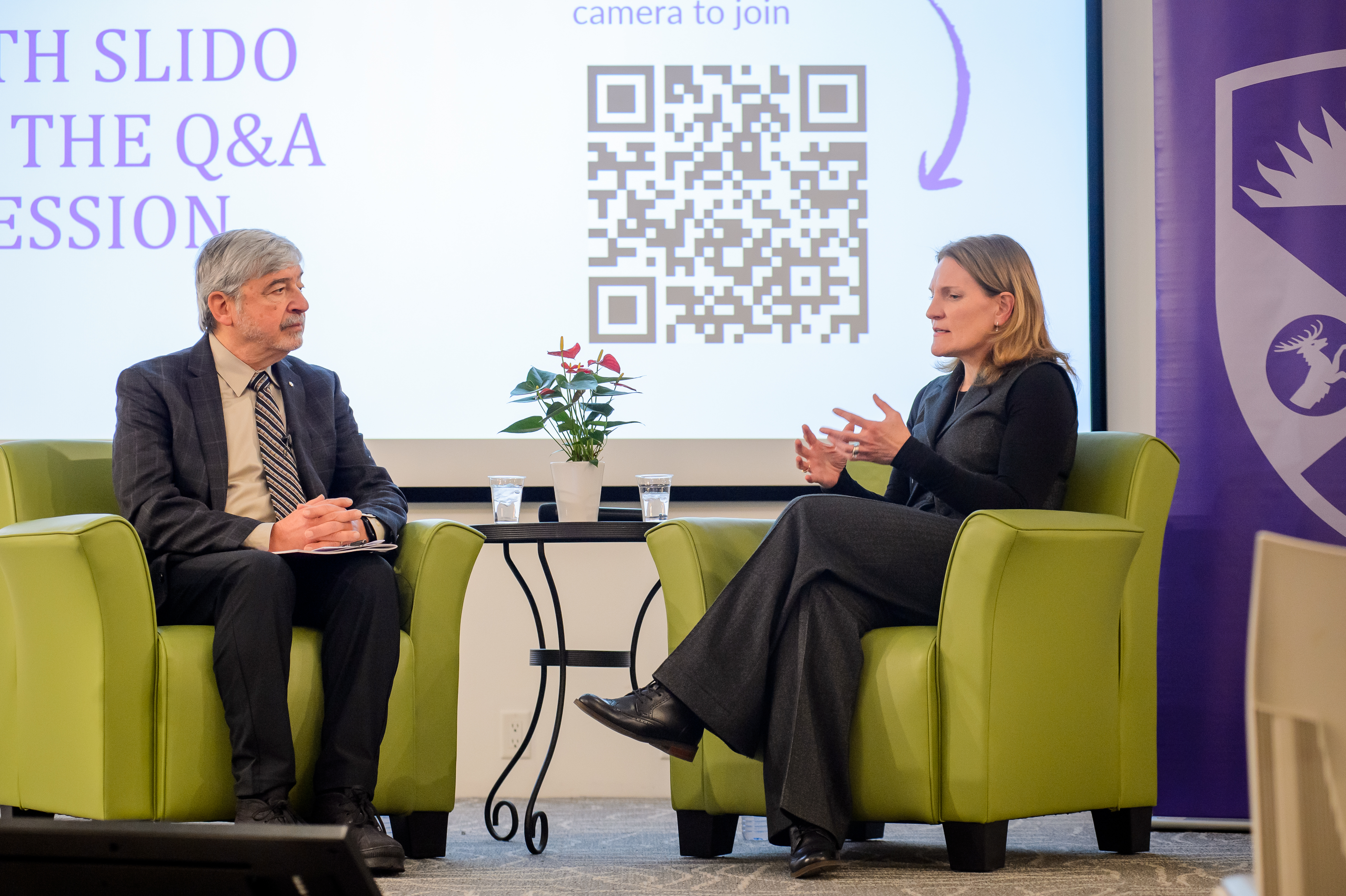
Closing the lecture, professor emeritus Peter Jaffe, PhD, sat down with Miller-Idriss for a question-and-answer session, which notably addressed how those working in gender-based violence prevention, or similar fields, can “survive the work and keep up hope.”
“The things that give me hope, I think, are that we have 30 people now in a research lab designing and creating tools, working with communities and doing incredible work to try to change this,” said Miller-Idriss.
“Being here in conversation like this also gives me hope that there is such interest…in a book sitting at the intersection of misogyny and violent extremism. There’s a willingness and an ability to see it now and seeing it is the first step towards solving it.”
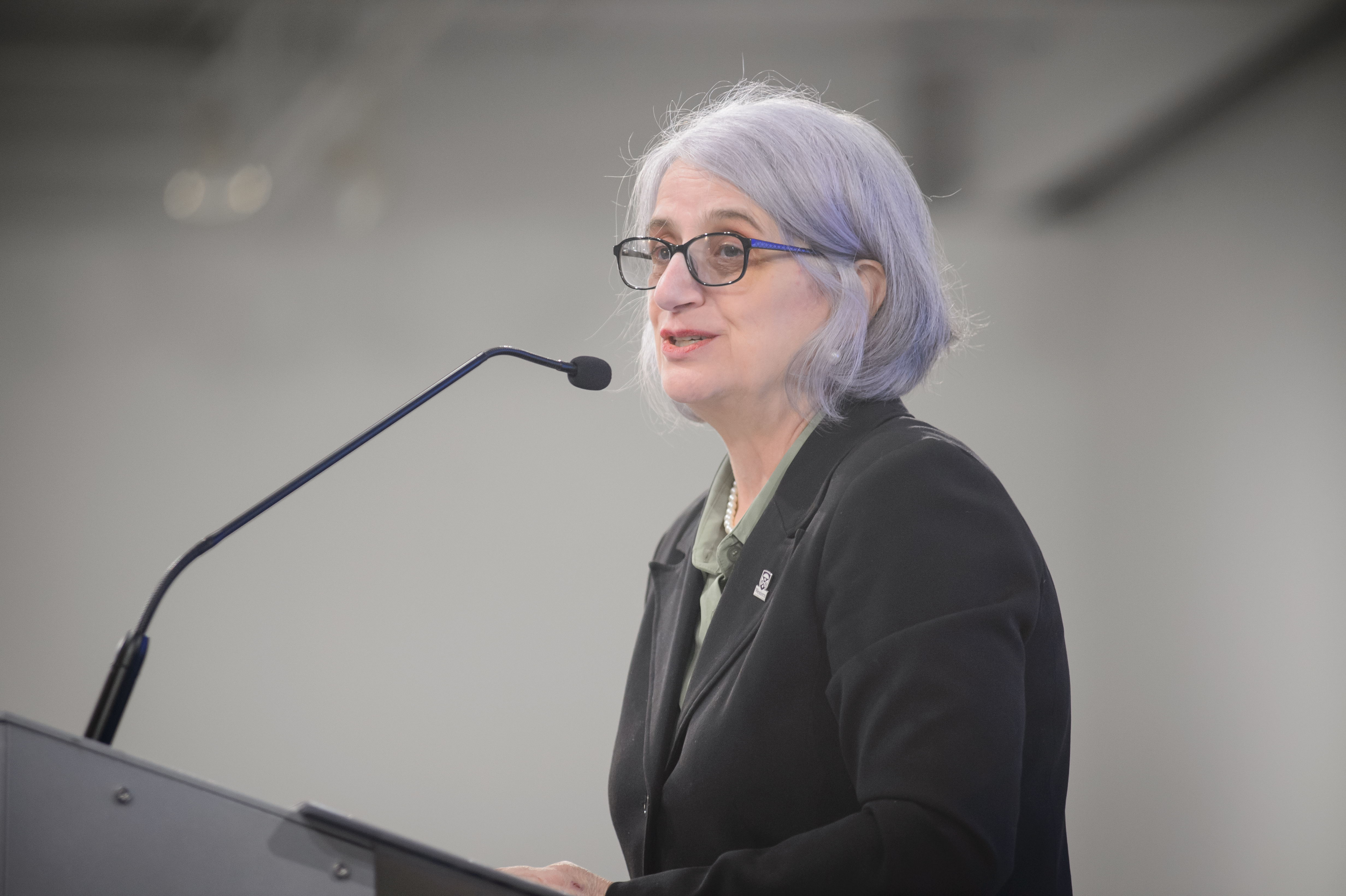
Optimism despite often incremental gains was a theme that came full circle from the opening remarks for the evening from Katreena Scott, PhD. Scott, director of the Centre for Research & Education on Violence Against Women & Children (CREVAWC), reflected that progress towards ending violence against women “takes a lot of time and tending of the soil for change to grow.”
Scott explained that while change can be slow, important advancements including a 10-year National Action Plan to End Gender-Based Violence and a House of Commons-backed investigation into the impacts of anti-feminist ideology on youth show progress. These gains, she added, are “all ways hope and progress put down roots to seed hope and change.”
For Nikita Kalwani, second year PhD student in the School of Applied Psychology at Western Education whose thesis focuses on evaluating the efficacy of gender-based violence programming, the lecture provided valuable insights and left her feeling inspired despite the weight of the topic.
“I really enjoyed the lecture. What stood out to me was the underlying thread of misogyny and gender-based violence and how important it is to discuss even though it’s so often brushed under the rug in the current world political climate,” said Kalwani.
“While it was a heavy topic, I am leaving feeling inspired. It was good to hear Dr. Miller-Idriss’ optimism after years of working in this space. Her optimism was impactful to hear and gives me optimism to carry on in this space also.”
The Peter Jaffe Lectures on Ending Domestic Violence series was launched in 2021 to honour Peter Jaffe, a psychologist and professor emeritus at the Western Education and founding parter in the creation of the CREVWAC. The lecture takes place annually and invites an anti-violence researcher to present a public lecture on their research.
Learn more about CREVAWC and the Peter Jaffe Lectures on Ending Domestic Violence. Find the slides from the 2025 Jaffe Lecture here.